Aircraft Spruce Canada
Brantford, ON Canada
Corona, CA | Peachtree City, GA
Chicago, IL | Wasilla, AK
 Aircraft Spruce Canada
- Wishlists
- 1-877-795-2278
- Contact Us


 Contact Us
 Call Us
 Sign In



ASA The Killing Zone - Airplane Accidents and Lessons for Survival - Third Edition
Overview
|
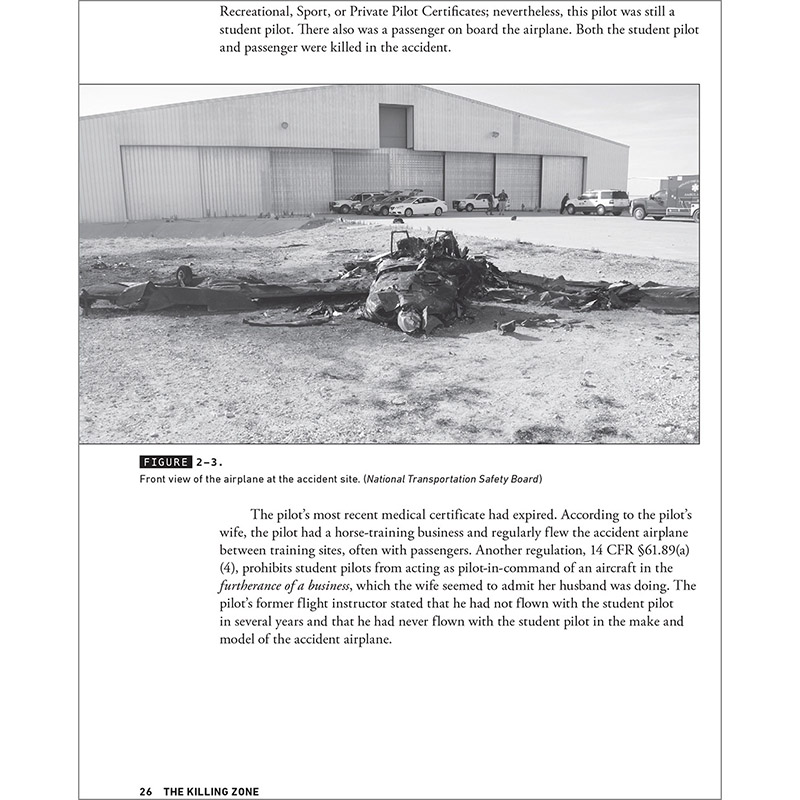
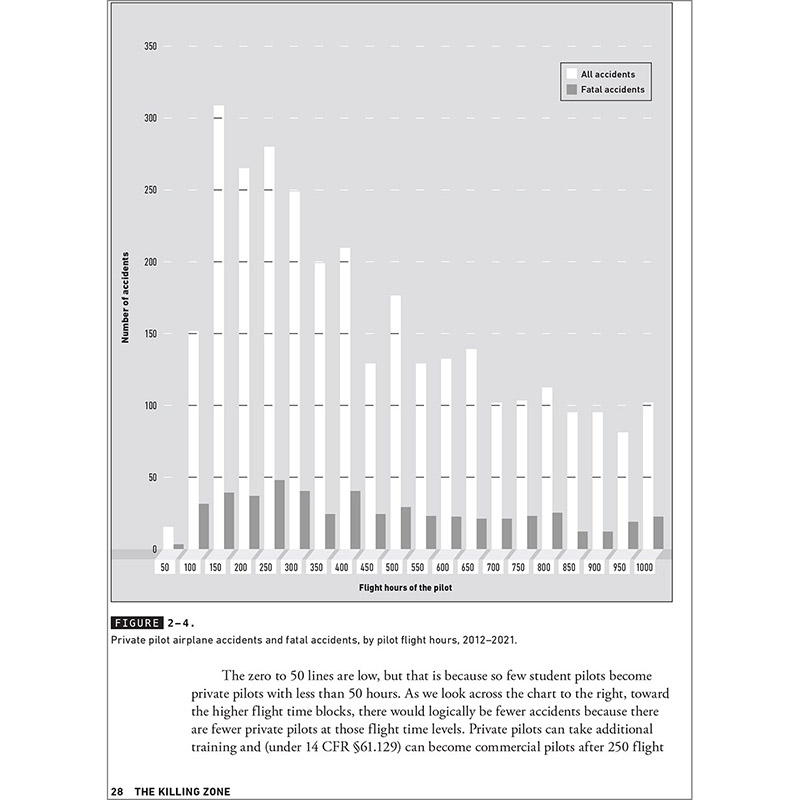
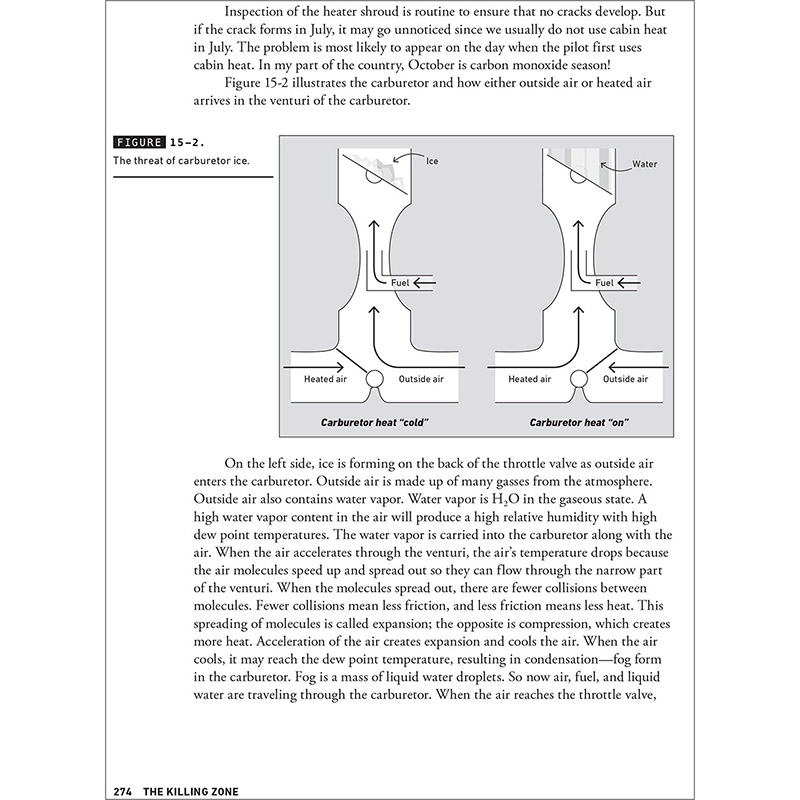
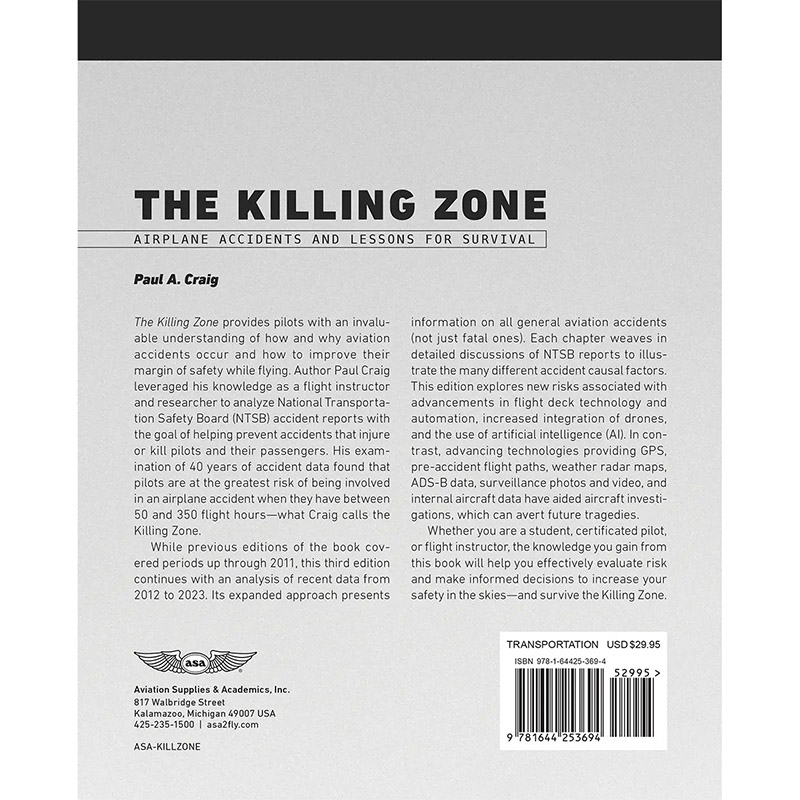
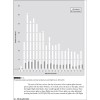
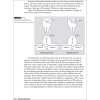
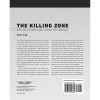
The Killing Zone provides pilots with an invaluable understanding of how and why aviation accidents occur and how to improve their margin of safety while flying. Author Paul Craig leveraged his knowledge as a flight instructor and researcher to analyze National Transportation Safety Board (NTSB) accident reports with the goal of helping prevent accidents that injure or kill pilots and their passengers. His examination of 40 years of accident data found that pilots are at the greatest risk of being involved in an airplane accident when they have between 50 and 350 flight hours—what Craig calls the Killing Zone. While previous editions of the book covered periods up through 2011, this third edition continues with an analysis of recent data from 2012 to 2023. Its expanded approach presents information on all general aviation accidents (not just fatal ones). Each chapter weaves in detailed discussions of NTSB reports to illustrate the many different accident causal factors. This edition explores new risks associated with advancements in flight deck technology and automation, increased integration of drones, and the use of artificial intelligence (AI). In contrast, advancing technologies providing GPS, pre-accident flight paths, weather radar maps, ADS-B data, surveillance photos and video, and internal aircraft data have aided aircraft investigations, which can avert future tragedies. Whether you are a student, certificated pilot, or flight instructor, the knowledge you gain from this book will help you effectively evaluate risk and make informed decisions to increase your safety in the skies—and survive the Killing Zone. |
Author Details
- Dr. Paul A. Craig is a professor, writer, researcher, and award winner—but above all, he is a flight instructor. A Gold Seal Flight Instructor with authorization to teach instrument, multi-engine, and seaplane, he has won the FAA District Flight Instructor of the Year award twice. He also holds the Airline Transport Pilot Certificate and a Doctorate in Education. Craig speaks at FAA safety seminars across the country and is the author of fourteen previous books including, The Killing Zone, Pilot in Command, and Multiengine Flying. He has worked for NASA as a Principal Research Investigator and for the FAA as a curriculum writer. He has won the Wheatley Award (most outstanding aviation educator), the Sorenson Award (most outstanding aviation researcher), and NASA’s Turning Goals into Reality award. The Tennessee Division of Aeronautics presented Dr. Craig with the Career Contributions to Aviation award in 2019. Today he is a university professor teaching the next generation of aviation professionals.
- At Central Washington University he received several awards for outstanding teaching and scholarship in the Department of Aviation, including the Excellence in Teaching award from the College of Education and Professional Studies. He was also nominated for the Central Washington University Faculty Senate Distinguished Professor of Teaching award. He earned the biennial Master Flight Instructor designation seven times (1999 through 2013), and the Master Ground Instructor from 2013 through 2017, from the National Association of Flight Instructors. He also served as an Aviation Safety Counselor and later as an FAA Safety Team Representative for the FAA’s Spokane Flight Standards District Office.
- His primary research interests include visual limitations of flight, pilot decision making, and VFR flight into instrument meteorological conditions. He has authored and co-authored more than 20 articles and papers related to flight crew human factors which are published in scholarly journals and professional aviation magazines. These include Flight Safety Foundation’s AeroSafety World and Human Factors and Aviation Medicine; the Journal of Aviation/Aerospace Education and Research; the International Symposium on Aviation Psychology; NAFI Mentor; and Transport Canada’s Aviation Safety Letter. He has also given numerous safety-related presentations at conferences and seminars in the U.S. and Canada. Published by ASA in 2014, his co-authored book Managing Risk: Best Practices for Pilots describes many of the major threats to safe flight operations, offers insights into how and why pilots make errors that exacerbate them, and provides best-practice countermeasures needed to successfully manage them. You can reach the author on LinkedIn or at Dale.Wilson@cwu.edu.
Specifications
- Edition: Third
- Page Count: 376
- Illustrations: Black and white
- ISBN Number: 978-1-64425-369-4
- Dimensions: 7.25 x 9 inches
- Copyright: © 2025-2026 Aviation Supplies & Academics, Inc. All rights reserved.
- Date Published: 2025
- Search: True