1-877-795-2278 | info@aircraftspruce.ca
Aircraft Spruce Canada
Brantford, ON Canada
Corona, CA | Peachtree City, GA
Chicago, IL | Wasilla, AK
Aircraft Spruce Canada
Brantford, ON Canada
Corona, CA | Peachtree City, GA
Chicago, IL | Wasilla, AK
 Aircraft Spruce Canada
- Wishlists
- 1-877-795-2278
- Contact Us


 Contact Us
 Call Us
 Sign In
 FREE SHIPPING ON ORDERS OVER $699 (SOME EXCLUSIONS APPLY) | 877-795-2278
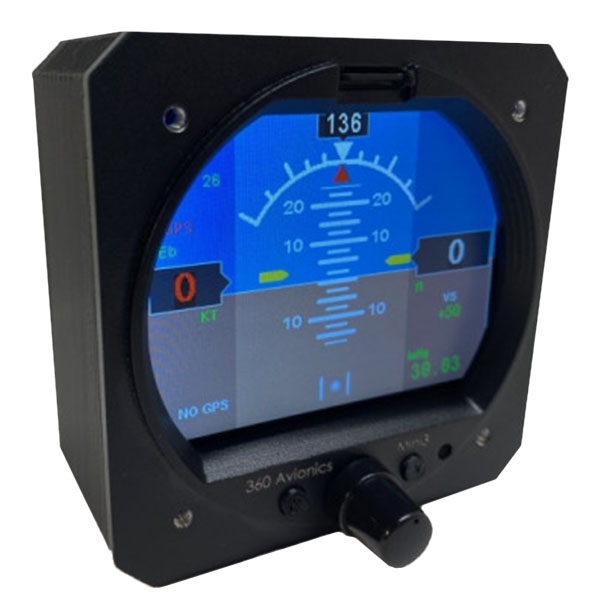
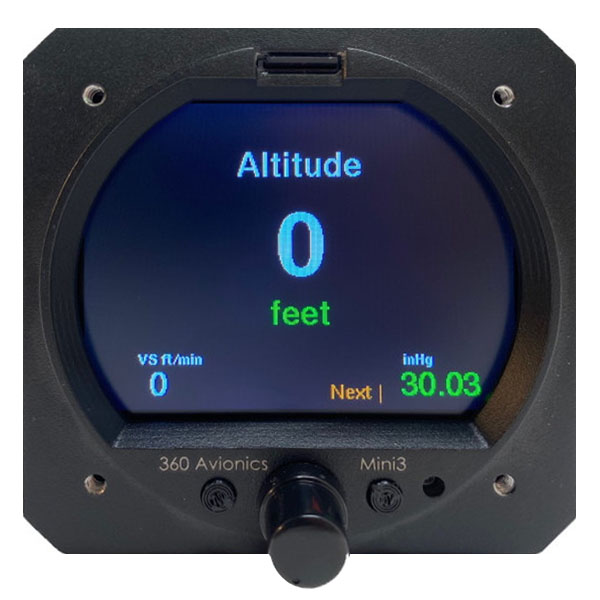



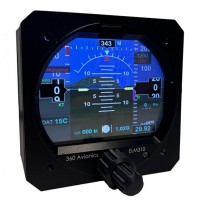
360 Avionics ELM300 EFIS Flight Instrument
Select Version:
GPS onlyPitot + Static + GPSOverview
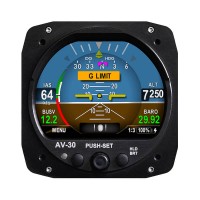
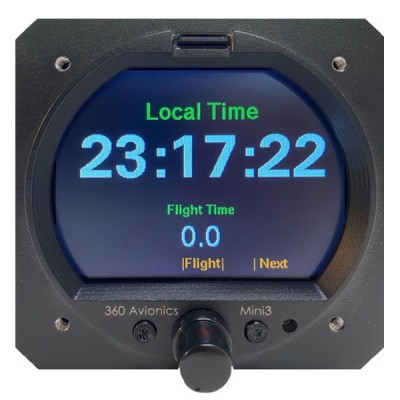
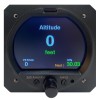
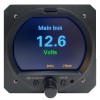
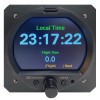
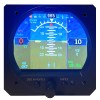
| The ELM300 (MiniUni 3.125") is a versatile and compact Electronic Flight Instrument System (EFIS) designed for experimental fixed-wing aircraft. Engineered to fit a standard 3.125" panel opening, this cost-effective instrument delivers high performance with a wide array of advanced features, making it an essential tool for both in-flight operation and post-flight analysis. |
Features
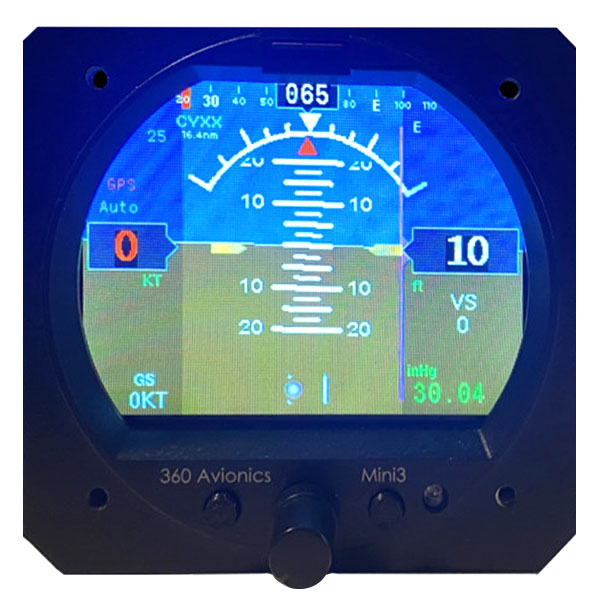
Artificial Horizon: for accurate attitude referenceCompass: for navigation support
G-Meter: for real-time G-force monitoring
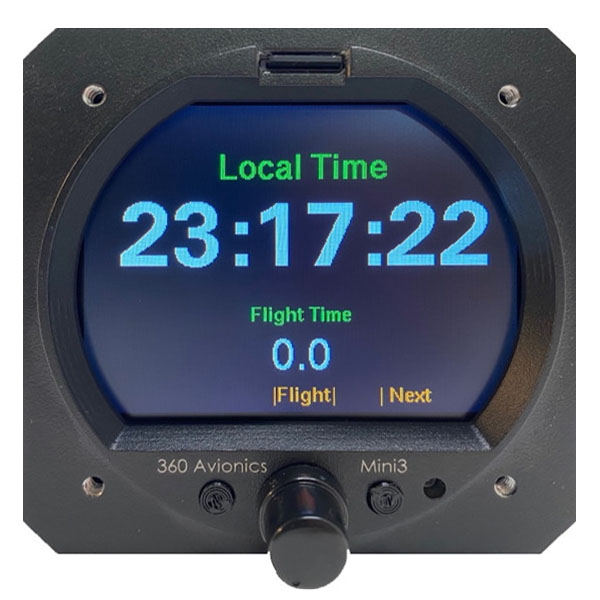
Built-in Real-Time Clock: (RTC) and flight timer
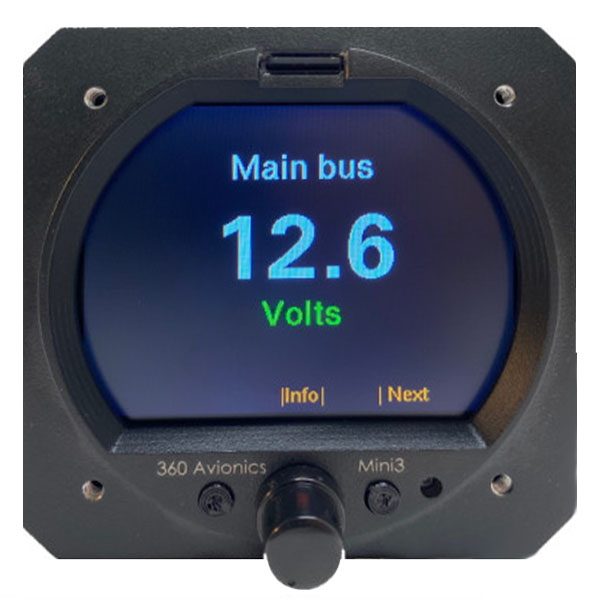
Voltmeter: to monitor electrical systems
Turn Rate Coordinator: with bank angle indicator for safe maneuvering
Outside Air Temperature: (OAT) sensor support (optional)
Course Deviation Indicator: with vertical guidance
Altitude Encoder: for transponder (Garmin) support
uAvionix tailBeaconX Controls: integration
ADS-B Traffic display
Post-Flight Analysis
Flight Data Recorder: Logs flight parameters at set intervals, with data exportable via Micro SD card for in-depth review.Google Earth Compatibility: Export flight tracks in Google Earth format to visualize the flight path and route.
In-Flight Capabilities
Precise Sensor Suite: Equipped with altitude pressure, airspeed, gyroscope, and accelerometer sensors for accurate flight data.V-Speed Reference Strip: Provides continuous speed warnings based on user-defined V-speeds for enhanced situational awareness.
GPS-Based Tracking: Displays track and ground speed information to supplement flight navigation.
Course Deviation Indicator: Shows course deviations when receiving a flight plan from an external GPS source.
Altitude Encoding: Supports various transponder protocols, ensuring accurate altitude transmission.
External Compass Module: Optional external compass for GPS-independent heading information in case of signal loss.
Ultra-Bright Display: The 3.125" high-brightness display remains easily readable in all lighting conditions, including direct sunlight.
Intuitive Controls: A built-in rotary knob and two buttons allow for easy operation, including barometric pressure adjustment, heading bug changes, and configuration access.
uAvionix tailBeaconX ADSB/Transponder Integration: Full support for Modes A, C, and S for enhanced traffic awareness and safety.
ADS-B Traffic display: Shows ADSB Traffic on display (GDL90 input via wires or WiFi wireless)
Available Versions
- GPS-Based Version:
- Relies solely on GPS for speed, course, and altitude data, eliminating the need for pitot/static connections.
- Equipped with a barometric altimeter for precise altitude, though airspeed is based on GPS ground speed.
- Can be upgraded with an external AHRS module (not included) for enhanced performance.
- Full Pitot + GPS Version:
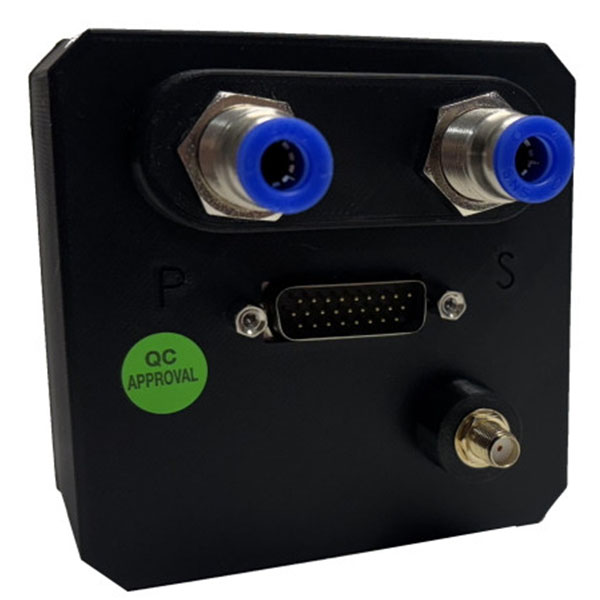
- Includes dynamic pressure sensors and supports pitot/static connections.
- Provides the most accurate data, including true airspeed, altitude, and artificial horizon calculations.
Specifications
Input Voltage: +10V to +28V DCDimensions: 68mm x 88mm x 81mm
Weight: 195g
Display: 3.125" diagonal, 320x240 pixels (ultra-bright)
GPS Receiver: High-sensitivity uBlox
Communication: RS-232 ports (2), speeds 2400-115200 baud
Maximum IAS: 250 Knots
Altitude Range: -1000 ft to +32,000 ft
Vertical Speed Range: ±10,000 ft/min
vRoll Range: 360 degrees
SD Card: 4GB FAT formatted (supports up to 16GB)
Antenna: Magnetic-mount GPS with male SMA connector
Pitot/Static Lines: Quick-connect 1/4" plumbing
Built-in WiFi for ADSB wireless data input (optional)