1-877-795-2278 | info@aircraftspruce.ca
Aircraft Spruce Canada
Brantford, ON Canada
Corona, CA | Peachtree City, GA
Chicago, IL | Wasilla, AK
Aircraft Spruce Canada
Brantford, ON Canada
Corona, CA | Peachtree City, GA
Chicago, IL | Wasilla, AK
 Aircraft Spruce Canada
- Wishlists
- 1-877-795-2278
- Contact Us


 Contact Us
 Call Us
 Sign In
 SAME DAY SHIPPING ON ORDERS PLACED BY 2 PM | 877-795-2278
- Photo may represent series and not specific product
- SHARE



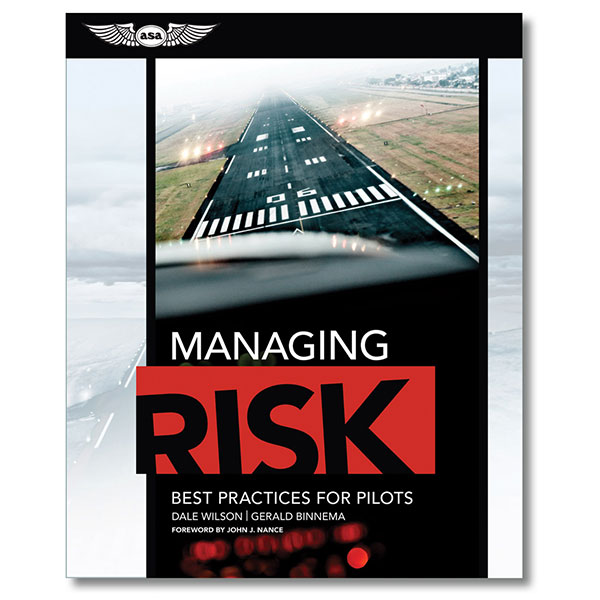
ASA Managing Risk Best Practices For Pilots
Select Format:
 eBook EB eBook PD
Overview
|
Flying involves risks. Fortunately, most of these risks have been identified and managed down to remarkably low levels. However, accidents still occur, and the key to successful flight is an in-depth knowledge of the risks and how to effectively manage them. Managing Risk: Best Practices for Pilots uses actual aircraft accident examples, statistics, aviation safety studies, and the authors' more than 60 years of combined experience as pilots and flight safety educators to document and describe the 10 most significant accident threat categories, and shed light on the applicable human-factor issues that make pilots vulnerable to them. This book provides practical strategies as well as "best practice" countermeasures pilots can use to avoid or effectively manage risks during crucial phases of flight. Readers will have a more complete knowledge of the external threats to flight safety, coupled with a deeper understanding of how human errors often play out in the cockpit. Students and pilots at all certificate levels will improve their risk management skills by learning the practices described in this book, and ATP applicants will find it fulfills a portion of the new knowledge requirements that become effective August 1, 2014. |
Features
- This video on Risk Management from the Civil Aerospace Medical Institute defines and quantifies risk. Additionally, it helps you develop tools and a checklist for risk assessment and actions to be taken.
Specifications
- Authors:Dale Wilson and Gerald Binnema
- ISBN: 978-1-61954-109-2
- Page Count: 248
- Dimensions: 7-1/4" x 9"